Is Rome Safe? Scams, Areas and Smart Habits
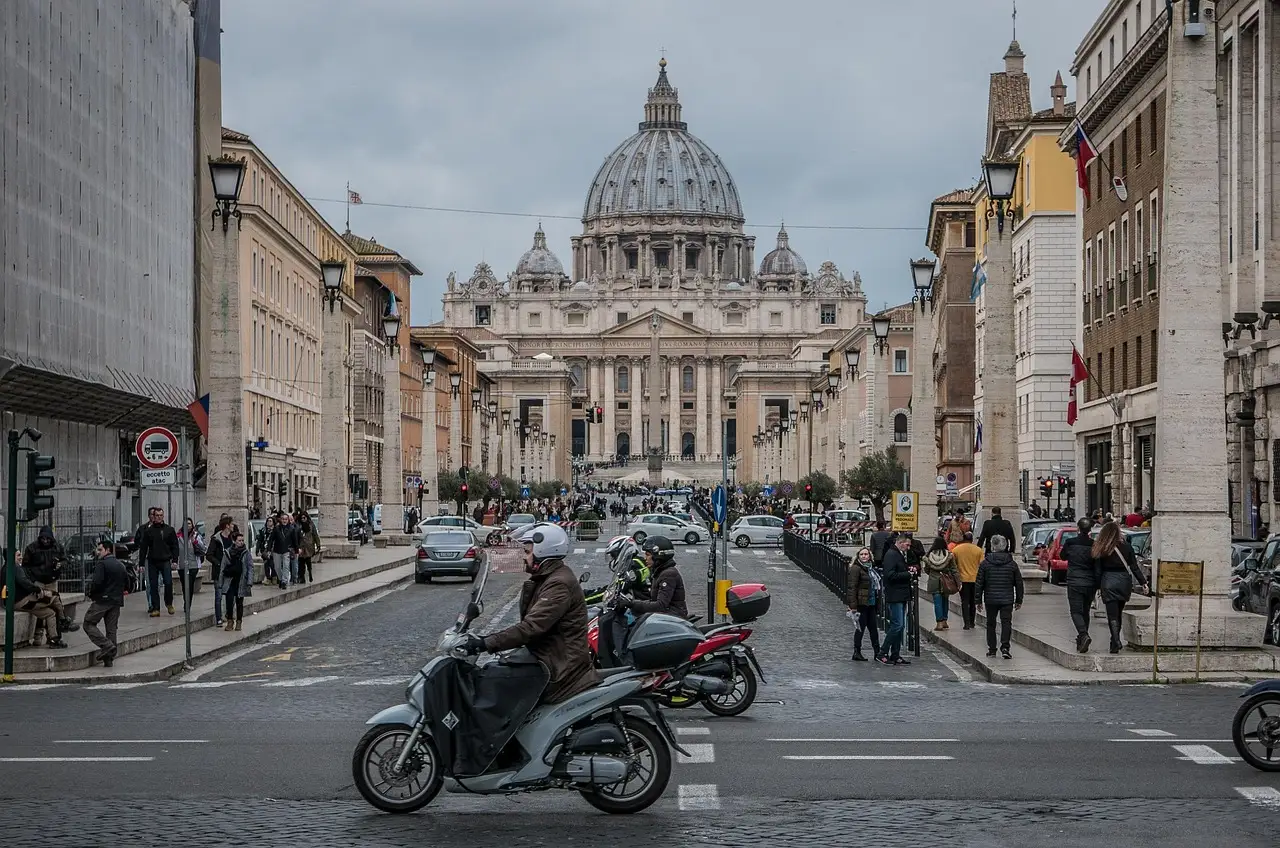
Rome is safe for most visitors, because the UK government says crime levels in Italy are generally low and the real risk is petty crime such as pickpocketing and bag-snatching. Thieves work in crowds, on public transport and at the big sights. A few plain habits keep your phone, wallet and passport with you.
Is Rome safe? The short answer
Rome is safe for most visitors, and the risk is theft, not violence. The UK government says crime levels in Italy are generally low, with higher levels of petty crime, particularly bag-snatching and pickpocketing, in city centres and at major tourist attractions.
Most visitors walk the same crowded streets, and a thief wants your phone or wallet, not a fight. Most trips end with nothing worse than sore feet.
No official page ranks Rome's streets or gives crime figures by area. So this guide uses what official sources do say, and it tells you plainly where they stay silent.
We found no official statistics on crime against women or solo visitors in Rome. The UK government publishes nothing aimed at them, and its only mention of travelling alone is that risks are greater if you do any activity alone, in its hiking and adventure sports section. So the same habits apply to everyone, whether you travel alone or not. Take care in crowds and on public transport, and use only officially licensed taxis, which have a taxi sign on the roof and a company name and number on the side.
Money is a different worry, and you can read whether Rome is expensive on its own page.
| Question | Short answer |
|---|---|
| Is Rome safe for tourists? | Yes, with normal care in crowds |
| What is the main risk? | Pickpocketing and bag-snatching |
| Where is it highest? | City centres, major sights, stations, public transport |
| Who do you call? | 112 for the police |
Key Takeaway Rome's main risk is a stolen phone or wallet in a crowd, and the UK government names city centres, major sights and main train and metro stations as the places to take most care.
Pickpockets and bag-snatchers: where to take care
Take the most care on public transport, in crowded streets and at the big sights. Official advice names main train and metro stations, airports, tourist sites, and local bars, cafes and restaurants as places to watch your belongings.
Thieves often use distraction. That advice also warns of thieves who use distraction techniques, so a stranger who bumps you or asks for help may have a second person nearby.
Spread your valuables out. It also says not to carry all your valuables together in a handbag or pocket, and to leave spare cash and valuables in a safe place such as a hotel safe. Keep your bag zipped and in front of you on the metro.
A crowded place is where a quiet thief does the most work.
Common scams in Rome and how to avoid them
The scams you can check against official pages are fake ticket sites, unfair taxi fares and street sellers. No official page lists every trick by name, and the UK page does not use the word scam, so we only name the ones an official source describes.
Fake ticket sites come first. The Vatican Museums say the only official ticket site is tickets.museivaticani.va and warn that look-alike sites may charge much more. Type the official address yourself and check it before you pay.
Taxis come second. Rome's June 2026 taxi tariff sets a fixed fare of €55 from Fiumicino airport to any address inside the Aurelian Walls, and €40 from Ciampino. Ask for the fixed fare before you get in, and use a licensed taxi.
Street sellers come third. Illegal traders work in all major Italian cities, and it is illegal to buy from unlicensed street traders, so you could be stopped and fined.
One more rule is new. Since 2 February 2026, entry to the basin closest to the Trevi Fountain costs €2 a person, sold at official points and by card at the entrance. Viewing from the square stays free, according to press coverage.
If you want a Colosseum visit with the entry already included, the small-group Colosseum arena tour is run by CityEyes Private Tours. The tour is 3 hours, is from €129 per person, and is rated 4.8 from 735 reviews. The listing says it includes the official guide, Colosseum entry, the arena floor and a guided Roman Forum tour. It excludes hotel pickup and drop-off, a Palatine Hill guided tour, and food and drinks. It has 2 meeting points, so the one you get depends on the option you pick, and the listing shows no group size. Free cancellation is shown, and it is not suitable for people with mobility impairments.
Prices and ratings as shown on GetYourGuide on 25 October 2026.
Pro Tip Book Vatican and Colosseum tickets ahead from the sight's own site or from a seller you chose at home. A stranger who offers a ticket in the queue is the one to say no to.
Safe areas and areas to take care in
No official source we found names safe or dangerous neighbourhoods, so the sensible rule is to take care where crowds are biggest. That means the centre, the main sights and the stations, on every street and in every area. The same advice also says to take care in poorly lit or unfamiliar areas, including road underpasses, but it names no streets or districts. The table below groups areas by what is nearby, not by how safe they are. It mentions Rome by name only for fountains and traffic restrictions, not for any area.
Most visitors stay in one of four areas, and all four have well-reviewed places to sleep. You can compare them in our Rome neighborhoods guide, and our page on where to stay in Rome goes further.
| Area | What it is near | A place to stay |
|---|---|---|
| Centro Storico | The Navona area, Campo de' Fiori, the Pantheon | Nomos Hotel |
| Prati | The Vatican Museums and St. Peter's Square | Domus Terenzio |
| Monti | The Colosseum and about 500 metres from Termini | Aenea Inn |
| Trastevere | The old streets across the river | Residenza Leone XIII |
Prati is the quietest of the four, with a garden at Domus Terenzio and a 10-minute walk to St. Peter's Square. Wherever you sleep, use the room safe.
Termini is the main rail station, so the station advice above applies there. Keep your bag in front of you and look at the departure board, not at strangers who offer help.
Is Rome safe at night?
Rome is safe at night for most visitors who stay on busy, lit streets and watch their drinks. The UK government warns not to take drinks from strangers or leave a drink unattended, because victims of spiked drinks have been robbed and sometimes assaulted.
Plan your way home before you go out. Metro lines A, B and C run until 23:30 Sunday to Thursday, and on Friday and Saturday the last trains leave the terminals at 1:30, according to the city's mobility agency. After that, take a licensed taxi, and keep to well-lit streets, because the UK government advises caution in poorly lit or unfamiliar areas, including road underpasses.
If you would rather see the lit-up city with a group, the small-group night walk is run by Global Experiences by Carpe Diem Tours Group. The walk is 2.5 hours and is from €25 per person, rated 4.8 from 1,053 reviews. The listing says it passes the Colosseum, the Pantheon and the Trevi Fountain, and it is not suitable for wheelchair users.
Prices and ratings as shown on GetYourGuide on 25 October 2026.
What not to do and what not to wear in Rome
The rules that catch visitors out are about fountains, steps, food near churches and clothing. The UK government says it is an offence in many Italian towns, including Rome, to enter or bathe in public fountains, and some towns fine you for sitting on monument steps or eating and drinking next to main churches.
Other rules are simple. Carry photo ID, because under Italian law the police can stop you at any time for an identity check. If you buy a bus or metro ticket from a kiosk or machine, validate it before you start, because officials patrol and issue on-the-spot fines.
What you wear matters at the Vatican. The Vatican Museums say there are no sleeveless or low-cut clothes, no shorts above the knee, no miniskirts and no hats, and the same rules cover the Sistine Chapel and St Peter's Basilica. Pack a light scarf or a shirt with sleeves.
None of these rules depend on where you come from. They apply to every visitor, including Americans.
| Do not | Why |
|---|---|
| Enter or bathe in a public fountain | An offence in Rome |
| Buy from unlicensed street traders | Illegal, and you can be fined |
| Ride without a validated ticket | On-the-spot fine |
| Wear shorts above the knee or sleeveless tops in the Vatican | You may be refused entry |
Is a guided tour safer than going alone?
A guided tour is not safer in a measurable way, because no official page compares the two, but it does remove some choices that cause trouble. You do not pick a ticket seller, you do not hunt for a meeting spot in the dark, and a guide knows the area.
Going alone works well too. Each tour listing shows its own rating and review count. All four tours here show free cancellation on GetYourGuide, but the exact deadline is on each listing page, so check it before you book. The small-group night walk by Global Experiences by Carpe Diem Tours Group has 2 meeting points depending on the option you choose, lists no group size, and excludes entry to any attractions. Millions of people walk Rome without a guide, and the habits above are what protect you in both cases.
Many visitors want company on the first day. The City Highlights walking tour is run by City Walkers Tours, takes 2.5 hours and is from €35 per person. It is rated 4.8 from 126 reviews and meets at Foro Traiano, and the listing shows no group size. It excludes hotel pickup and drop-off and tips, and it is not suitable for people with mobility impairments.
For a faster loop, the small-group e-bike tour is run by Bicycle Roma. It lasts 4 hours, is from €54 per person and is rated 4.9 from 390 reviews. Its listing says groups are limited to 6 guests, meets at Lungotevere delle Armi 44 and excludes food and drinks. It is not suitable for people who cannot ride a bike or have a low fitness level.
Prices and ratings as shown on GetYourGuide on 25 October 2026.
Things to Do in Rome's count of GetYourGuide listings in October 2026 found 29 private tours, from €30. You can compare the guided options, from walks to night tours to private visits, on our page of guided tours in Rome.
When this advice falls short
Nothing here is a guarantee, and this guide has limits. We found no official crime data by neighbourhood, so we cannot say which street is safer than the next one. A tour does not protect you from a pickpocket in a crowd, and a night walk is the wrong choice if you are tired or cannot walk for 2.5 hours.
If you are the victim of a theft, call 112 for the police. The same source gives 118 for an ambulance. If your passport is stolen, a police report is not enough to leave Italy, so contact your embassy and read your government's lost-passport guidance.
Pro Tip Photograph your passport and cards before you fly, and keep the photos in a place a thief cannot reach.
A guided first day when you want company
A 2.5-hour small-group night walk is from €25 and a 2.5-hour daytime highlights walk is from €35. The 4-hour small-group e-bike tour is from €54, and the 3-hour small-group Colosseum arena tour is from €129. Each price is per person, and the cancellation terms are on the listing.
-
Small-group night walk
from €25 per person
A guided evening walk with a group, so you see the lit-up sights without finding your own way back in the dark.
2 h 30 min 4.8 (1,053 reviews) Free cancellation
Run by Global Experiences by Carpe Diem Tours Group · not suitable for wheelchair users
Check availability: Small-group night walk on GetYourGuide -
City highlights walking tour
from €35 per person
A guided first day with a local guide, so you learn the main sights without hunting for them alone.
2 h 30 min 4.8 (126 reviews) Free cancellation
Run by City Walkers Tours · not suitable for people with mobility impairments
Check availability: City highlights walking tour on GetYourGuide -
Small-group e-bike tour
from €54 per person
A small group of up to 6 guests with a Roman guide, for readers who like to cover a lot of ground.
4 hours 4.9 (390 reviews) Free cancellation
Run by Bicycle Roma · not suitable for pregnant women, people with mobility impairments, people with heart problems, people who can't ride a bike, wheelchair users, people with vertigo, people over 220 lbs (100 kg), people with recent surgeries, people with low level of fitness
Check availability: Small-group e-bike tour on GetYourGuide -
Colosseum arena small-group tour
from €129 per person
A guided Colosseum visit with entry included, so you do not buy a ticket from a stranger on the day.
3 hours 4.8 (735 reviews) Free cancellation
Run by CityEyes Private Tours · not suitable for people with mobility impairments, wheelchair users
Check availability: Colosseum arena small-group tour on GetYourGuide
Prices and ratings as shown on GetYourGuide on 25 October 2026.
Rome tours: walking, night and private toursFAQ
Is Rome safe for tourists?
Is Rome safe for solo travellers and women?
What should I not do in Italy as an American?
What should I not wear in Italy as an American?
Conclusion
Rome is safe for most visitors, and the main risk is a stolen phone or wallet in a crowd. Keep your valuables in front of you, leave spare cash and your passport in the hotel safe, buy tickets only from official sites, and take the fixed-fare taxi from the airport. Dress for churches and you will not be turned away. If something goes wrong, call 112 for the police.
Related guides
Sources
- UK Foreign, Commonwealth and Development Office, Italy travel advice: Safety and security (2026), last checked 25 October 2026
- UK Foreign, Commonwealth and Development Office, Italy travel advice: Getting help (2026), last checked 25 October 2026
- Vatican Museums, Useful advice for visitors (2026), last checked 25 October 2026
- Vatican Museums, Fares and tickets (2026), last checked 25 October 2026
- Roma Capitale, Taxi tariff, June 2026 (2026), last checked 25 October 2026
- Roma Turismo, Trevi Fountain new entry fee (2026), last checked 25 October 2026
- Roma Servizi per la Mobilita, Lines and times of metro and railways (2026), last checked 25 October 2026